When I started planning The Mereland Chronicles: The Crier, people asked: why not pitch to agents and go the traditional publishing route? Truth is, I didn’t even try. Here’s why.
Breaking into traditional publishing is tough
Traditional publishing is crowded. Agents get hundreds of queries every week and only a small fraction make it through.

The odds are stacked against you unless you already have a platform or a unique hook. My motivation wasn’t to spend years chasing gatekeepers. I wanted to get my story into readers’ hands.
Creative control matters
Self-publishing means I keep control over everything: the tone, the pacing, the cover, the blurb. A publisher could (and often will) suggest changes to make the book more marketable. Sometimes that works out, sometimes it risks changing the heart of the story. I wanted the book to remain mine.
The money is better
Put simply, self-publishing pays more per book.
Amazon KDP: up to 70% royalty on eBooks (if priced £2.99–£9.99), and around 60% minus print costs on paperbacks. Traditional publishing: typically 7–10% royalty on paperbacks, and 25% (sometimes less) on eBooks.
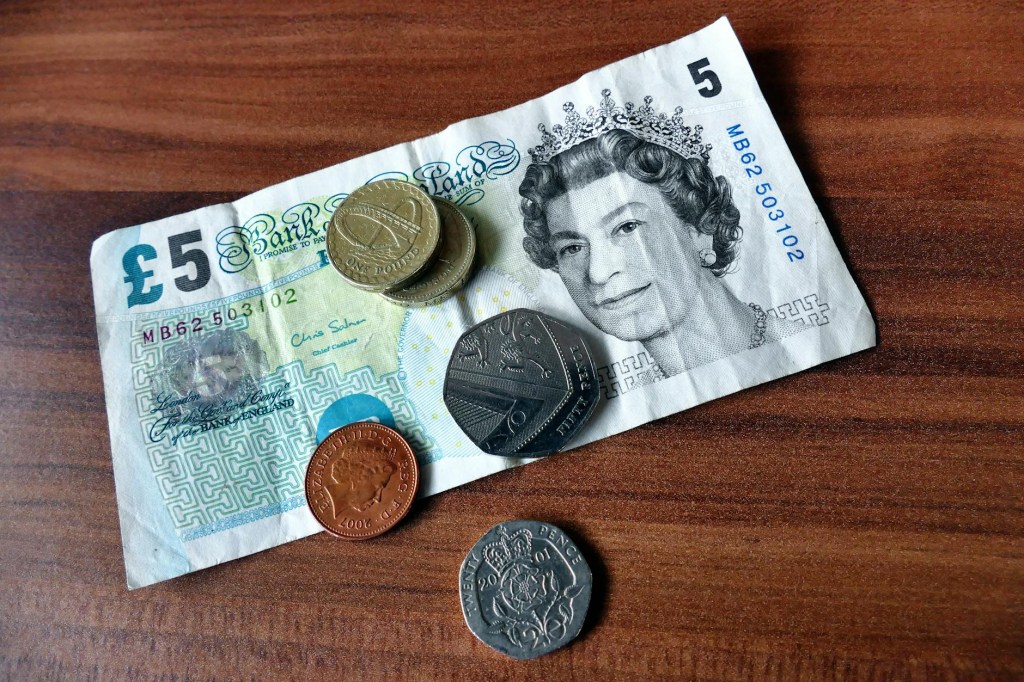
That means selling 1,000 copies self-published can earn more than selling 5,000 traditionally published. Of course, the trade-off is you carry the upfront costs, and let’s not forget it’s a busy market.
Do publishers really market your book?
This is one of the biggest myths about traditional publishing. The truth is, unless you are a household name or your book is positioned as a major release, publishers put limited resources into promotion. According to an Authors Guild survey, more than 70% of writers said they had to handle most of their own marketing.

For most authors the expectation is that you’ll still run your own social media, book launches, ads, and newsletters. I know traditionally published writers who do the bulk of their own marketing. At that point, why not self-publish and keep the higher royalties?
Cover, editing and formatting
Yes, a traditional publisher pays for editing, cover design and formatting, but you don’t get to pick the team or the style. As an indie those costs are on me. The difference is I get to choose who I work with. Tools like Vellum make formatting painless with a one-off investment. Future books are essentially free to format.

And as you progress with your writing and produce more books, those relationships with editors and designers (if you choose to keep working with them) only flourish, making each new release stronger than the last.
Can a self-published book get picked up later?
Yes, it happens. The Martian by Andy Weir and Fifty Shades of Grey both started as self-published before being acquired by traditional publishers. The catch is publishers usually only step in if the book is already selling extremely well, often tens of thousands of copies. It’s possible, but not something to rely on.
Final thought
For me, self-publishing wasn’t about settling for less. It isn’t even about making money, as The Mereland Chronicles has a message that will only be fully revealed at the end of book three. It was about taking control, building something sustainable, and getting my story out now rather than waiting on years of gatekeeping. It also allowed me to get my geek on. I was fascinated by the process and enjoyed the challenge of navigating it.
Ready to see where this journey leads?
My debut novel The Mereland Chronicles: The Crier will be available for pre-order on Amazon Kindle and in paperback from 16 October 2025 (although you may see it there now, while the final polish is added)

– Scrib
 Paul J. Scribbans - Author