How “Wasting Time” Can Fuel Your Writing
Let’s be honest: we all procrastinate. Whether it’s checking emails, scrolling through social media, or suddenly feeling the urgent need to organize the spice rack alphabetically, we writers are masters at delaying the inevitable – actually writing. But here’s the twist: what if I told you that procrastination, that sneaky time thief, could actually be your creative ally?

Before you roll your eyes and click away, hear me out. There’s a method to the madness of productive procrastination, and it might just revolutionize how you approach your writing.
Embracing the Distraction
Picture this: You’re staring at a blank page, willing the words to materialize, but instead, your mind drifts. “Maybe I’ll just check my phone for five minutes,” you think, fully aware of the rabbit hole you’re about to tumble down (Tik-Tok anyone?). We’ve all been there. But what if that five-minute break actually works in your favor?
Often, when we consciously focus too hard on finding the perfect phrase or sentence, our brains lock up. It’s like trying to force a key into the wrong lock. But when you give yourself permission to step away, even for a brief moment, you allow your subconscious to tinker with the problem behind the scenes. That’s when the magic happens. You could be halfway through a video of a cat playing the piano, and boom, the plot twist you’ve been agonizing over suddenly clicks into place.
I vividly recall learning this lesson time and time again while developing a complex software application in a previous job. After pouring countless hours into tweaking an algorithm, I’d finally give up and sleep on it. And guess what? The solution would present itself the next day. I still apply this approach today, but the difference is that now I recognize the dilemma much earlier, before wasting too much time. I step away and revisit the problem the following day or even a few days later. It turns out, our brains have a remarkable ability to process things “offline,” so to speak.
Walk It Off: Let Your Subconscious Create
For me, some of my best ideas come when I’m out on a long walk or hike. There’s something about moving through nature that allows my mind to drift into creative spaces I can’t reach when I’m glued to a desk.

The sights, sounds, and fresh air give my subconscious a chance to stretch its legs, often leading to those “aha!” moments when I least expect them. I might start my walk frustrated over a tricky scene, but by the time I’m back home, the solution has usually worked itself out.
So, the next time you’re stuck in your writing, consider stepping outside for a bit.
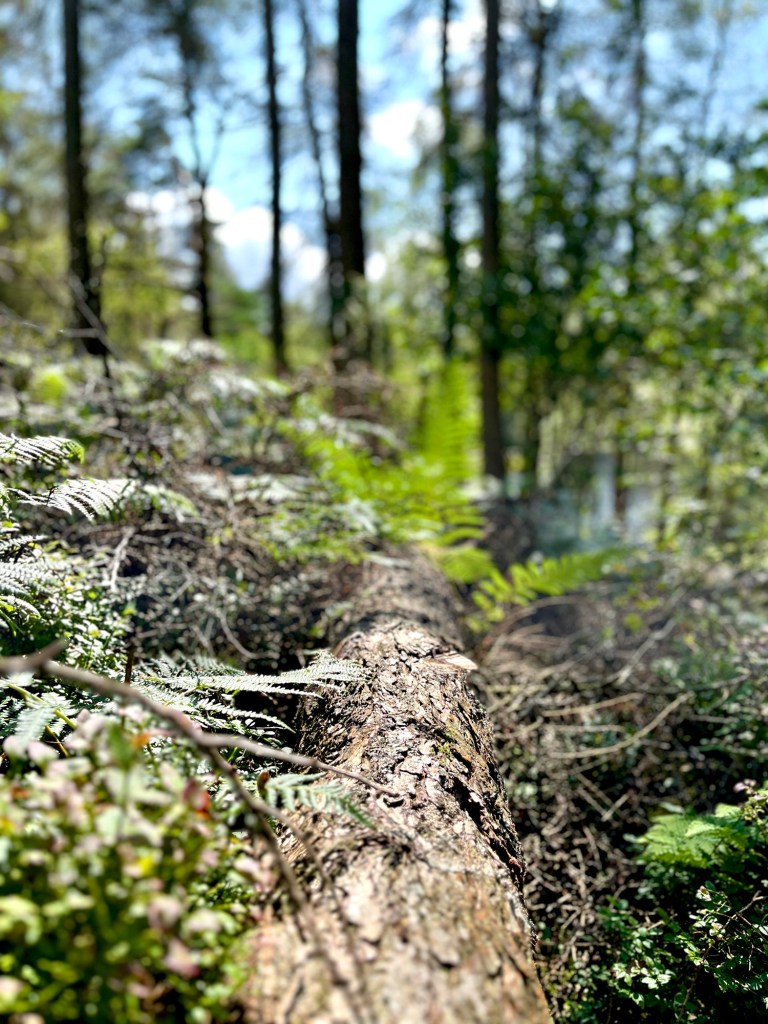
Walking isn’t just about taking a break; it’s a way to let your brain make the connections it needs without you forcing it. Plus, let’s be honest, it’s much more productive than rearranging the spice rack (again).
P.S. Don’t forget to take something to note down your idea!
People-Watching: A Goldmine of Inspiration
Here’s a true story: I was on holiday in Tenerife, sitting by the pool, soaking up some sun. I’d planned on giving myself a break from thinking about my book, but then I started people-watching. As I observed the sunbathers, the poolside chatter, and the subtle interactions between strangers, something clicked. I realised I was witnessing a treasure trove of human behaviour, tiny intricate details that would add depth to my characters and scenes.
There was a couple arguing in hushed voices, trying to keep things civil while clearly annoyed at each other. A family with kids who wouldn’t sit still, their parents caught between exasperation and laughter. Then there was the lone man sipping his drink, watching the world go by, perhaps contemplating his own story.

These real, raw moments of human interaction sparked ideas that found their way into my current work-in-progress. I hadn’t expected a lazy afternoon by the pool to be so productive, but it was a reminder that inspiration can come from anywhere.
The Art of People-Watching for Writers
People-watching is more than just a way to pass the time; it’s an opportunity to gain insight into human interactions, personalities, and behaviors. As writers, we need to understand how people communicate, both verbally and nonverbally, to make our characters believable. The little things – a nervous tick, a forced smile, the way someone fiddles with their phone when they’re uncomfortable – these are the details that bring a story to life.
Next time you’re out in public, take a moment to observe the people around you. Notice their body language, their tone of voice, the dynamics of their relationships. It’s like a free character study, waiting for you to absorb. Whether you’re sitting in a coffee shop, walking through a park, or lounging by a pool like I was, there’s always something to learn from the world around you.
Why Procrastination is Your Brain’s Way of Telling You Something
Sometimes, when we procrastinate, it’s not just because we’re avoiding work. It could be that your mind is telling you that something isn’t quite right with what you’re writing. Maybe that scene needs to percolate a little longer, or perhaps there’s a plot hole you haven’t spotted yet. Instead of battling it out with yourself, lean into the pause. Your brain is smarter than you think (even if it does lead you to YouTube for a quick cat video).
In fact, some of my best breakthroughs have come after a tactical timeout, which I’ve blogged about before in [Take a Tactical Timeout for Inspiration Recharge]. Giving yourself a bit of grace and time to recharge is often exactly what you need to power through that tough spot.
Procrastination or Preparation?
Here’s the real secret: sometimes what we call procrastination is actually preparation. Your mind is gathering the resources it needs, taking in sensory input, soaking up snippets of conversation, or even just processing your emotions about the work at hand. By the time you sit down to write again, you might find that the answer was there all along; it just needed the space to surface.
So, the next time you find yourself knee-deep in a “totally essential” task that has nothing to do with writing, don’t beat yourself up. As long as you’re not diving into the abyss of unproductive distraction, you might just be fueling the next big leap in your story.
Wrapping It Up
Procrastination is part of the creative process, whether we like it or not. When we learn to embrace it as a tool rather than a pitfall, it can work in our favor. So, go ahead, take that break, wash those dishes, or, better yet, step outside and breathe in some fresh air. Who knows? Your next plot twist could be hiding in that so-called wasted time.
Never give up! Never surrender! (Oh, and don’t procrastinate too much, yeah?)
If you’d like to check out some of my other creative endeavors beyond writing, take a look at my YouTube channel, where I share my long-distance hiking adventures. For stunning nature photography, you can visit my Shutterstock portfolio.
– Scrib.
 Paul J. Scribbans - Author