So you want to start writing? Presumably, this is why you’ve stumbled across this blog post.
There are many reasons to want to start writing; perhaps you want to get something out of your head (onto another medium other than neurons and brain cells), maybe you’re hoping to be the best-selling author someday, or perhaps you are simply curious to see if you are any good at writing. Whatever the reason, you have to start somewhere and guess what, all writers began somewhere. In the following post, I share some tips and observations that helped me start my writing journey.
Tip 1: The Writer’s Eye
Growing up, I hardly ever used to read, and when I did, I struggled to stay with it for long. But as I got older, I found the genre I enjoyed, and I naturally started to read more. Slowly the hours I spent reading increased, and with it my interest in reading.
During this time, I hadn’t considered writing seriously, so when I read, I consumed the story. A few years later, partly fuelled by my reading habit, I developed a writing ambition, and I started to experiment with writing, and a strange thing happened. Instead of merely reading the words, I began to note how they were structured; grammar, punctuation, words, sentence layout, dialogue, phrases, paragraph, chapter arrangements to mention a few. It was like going from admiring a beautiful state-of-the-art building to being interested in what was underneath, how it’s constructed, materials used, and the architecture.
I coined the term ‘reading with my writer’s eye’; You aren’t merely absorbing the narrative, you are also examining how it’s constructed. I learnt years later that the more professional term for this is ‘critical reading’ or ‘critical reader’, but you get the idea. Once you start reading like this, you’ll notice it can be a very powerful way of learning to write, without even typing a word.

So why is it important to read a lot if you want to write? To learn any art, you need to learn how to do it; you need to expose yourself to work done by others in your chosen field. Using your writer’s eye, you’ll start to learn how other authors write as you start your writer journey. You’ll realise how the words and sentences are moulded and structured. Most people can write, but to write well, you need to study the experts.
Tip 2: Back to School
School – or night school, in my case – is a great way to learn any new craft. Whether you want to learn to cook Chinese food, repair a car, play the guitar or write, returning to school can be very beneficial. Here you can learn and interact with other people who want to achieve similar goals as you.

I made some good friends in these lessons, and it not only boosted my writing confidence but allowed me to ask questions and experiment under the teacher’s guidance. Ultimately, I enjoyed the initial course so much that I did three of them over the next few years, allowing me to experience different teaching styles and ways of thinking. Ultimately, I saw these classes more like a writers club than a school lesson. Of course, Creative writing courses won’t be free, but the prices are generally fairly reasonable. Information can usually be found at your local college or educational authority.
Tip 3: Free Writing Courses
Firstly, I would thoroughly investigate any claims of a free creative writing course – make sure they are actually free.
Some learning sites like UDemy, – which I’ve used myself – offer writing and English courses; some free and some paid. However, professionals might not necessarily create these courses, so always read the feedback and ratings. Choose one that’s going to be worth investing your time in.
Some universities also offer ‘free’ cut down courses, based on previous content, that be worth a Google.
Tip 4: YouTube/TikTok
They had to be in here somewhere. If you want to learn anything in this day and age, generally, there is a YouTube or TikTok video on how to do it. You can learn anything from cooking to tailoring, or how to fix your car. Like with the free writing courses, I’d be careful and try and pick videos that are going to be valuable and constructive. Look at ratings and recommendations and subscribe to the ones you like.
RECOMMENDED: There are plenty out there, but I’d personally recommend Jenna Moreci’s YouTube channel. Jenna is an experienced novelist and her YouTube ‘vlogs’ are informative, in-depth, honest and jovial. She has a way of making the learning experience comical that doesn’t detract from the content matter. She covers pretty much any subject you can think of in the writing and publishing arena. Subjects include: Starting out, world and character development, planning a story, how to write fight/sex scenes, beta readers, what to do as a writer, what not to do as a writer, dialogue, book covers, and many more – Basically you name it, Jenna’s got you covered. Check out her YouTube channel.
Tip 5: Podcasts
I always think of podcasts as the little sibling to YouTube and TikTok. Instead of a video lesson, you have an audio class. That’s not to say they are an inferior way. I subscribe to several podcasts on various subjects. Podcasts are beneficial when watching a video isn’t an option, like driving, working out at the gym or walking. Yes, you can also listen to a YouTube video in these scenarios, but a video might want to show you something important to the topic.
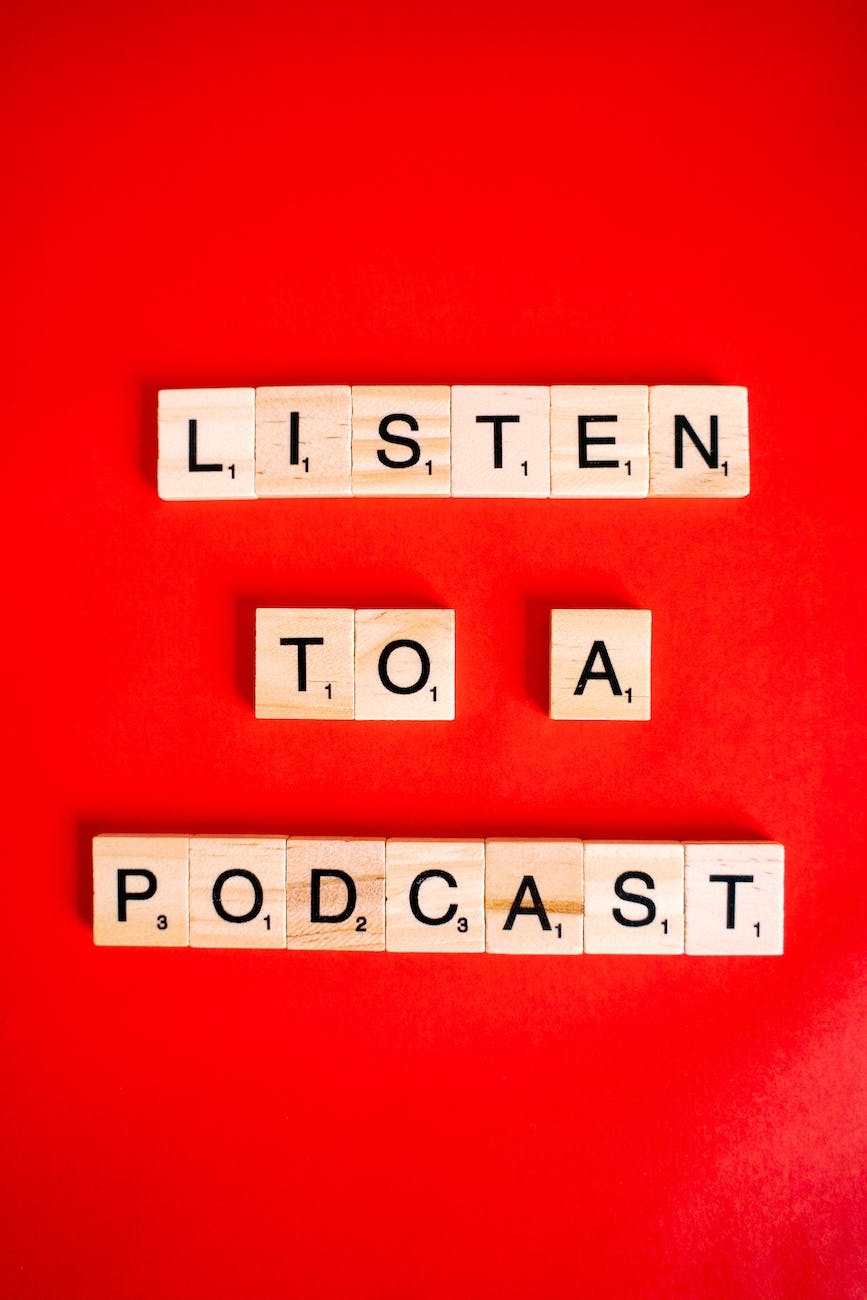
In contrast, Podcasts are designed for the listening audience only. As with the free resources above, there are good and not so good, so look at reviews and comments. I would recommend:
Tip 6: Reading Blogs
When I write a blog post, I’m always almost hesitant to post it, as the subject has probably been covered many times before by another blogger. However, I’d like to think I can have a positive impact on someones writing aspirations, so what the heck. Writing blog posts is a way of mixing up my writing styles, polishing my skills and can be a temporary break from novel writing.
Tip 7: Social Media
Join writing groups on social media platforms like Facebook and Twitter (or X as it’s know now). You don’t have to join in if you don’t want to. Just read the chatter, questions and answers, and comments from other writers. It’s a great way to learn, and someone always seems to ask a relevant question. If you feel you’d like to ask a question, ask it. Remember, you are communicating with people with the same interest as you.
One word of warning, like on all social media, some groups contain negative people. Don’t get me wrong, I’m all for constructive criticism, but some group members enjoy bringing others down, so I’d be wary.
There are a few hashtags available on most social media platforms I’d recommend.
#writerscommunty #authorcommunity #writerslife
Tip 8: Negative Acquaintances
A story I heard many times and even witnessed myself is where an aspiring writer gives up due to the negativity of close family or friends. Let’s face it; some people just won’t understand if you suddenly turn round and say, ‘I want to be a writer’. Some people may be supportive, but some may not.
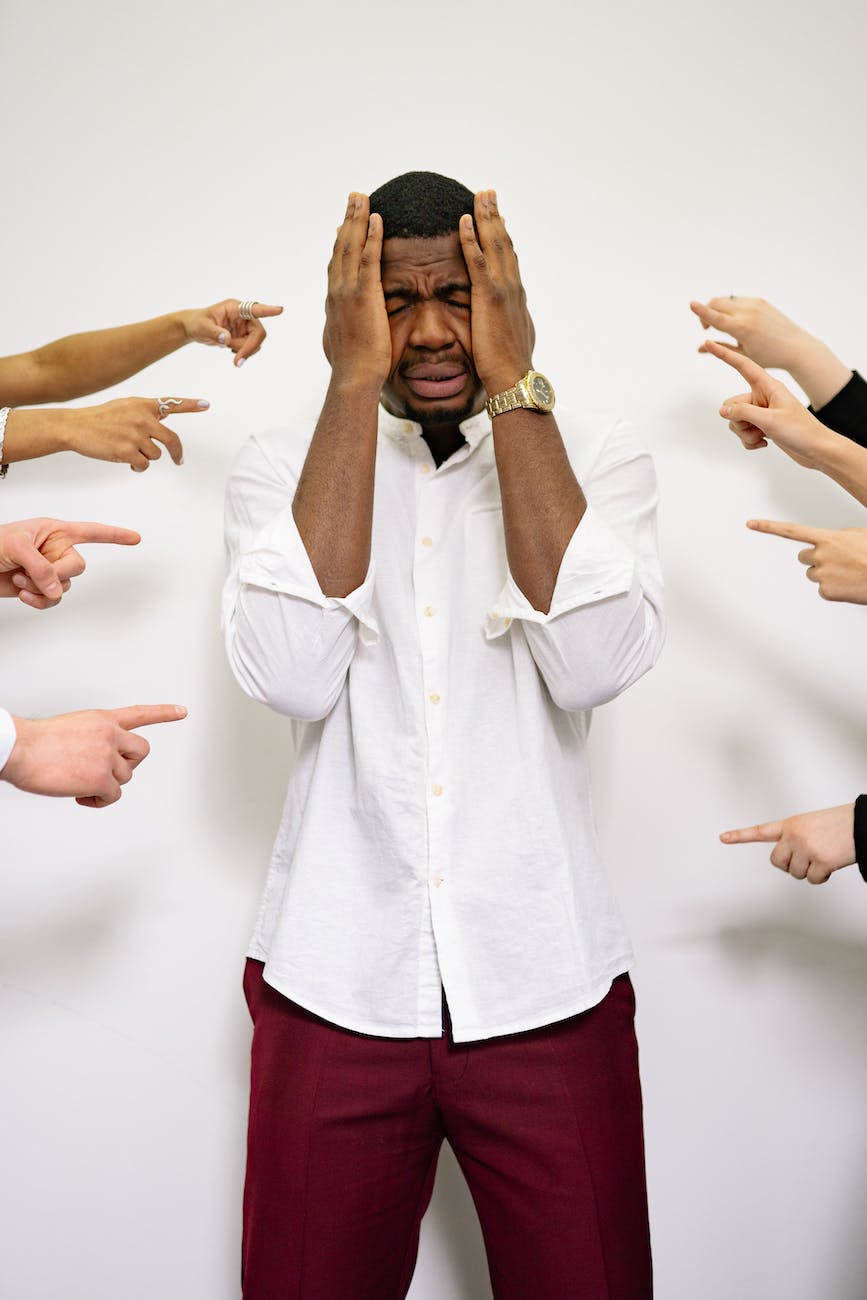
However, choosing to write is a personal choice, and it may not be for fame and glory, but it’s your choice. Writing can be highly therapeutic and allow you to release and express yourself. What you produce might not be perfect, especially at first, but who cares if you aren’t hurting anyone. It’s your release, your time and your outlet, so go for it!
Tip 9: Practice
To be a writer, you must write. Sounds obvious, right? You’d be surprised how a lot of aspiring writers, don’t write much.
- You WILL get frustrated and feel like throwing in the towel.
- You WILL get writer’s block.
- You WILL think you’ll never get off the ground.
This is normal, and there is no magic pill, I’m afraid. With everything in life, the only way to succeed is to push through it, so practice the writing art.
If you get stuck on what to write, look out of your window, pick an object (car, lamp post, bush, tree, person) and write a story from its perspective – I’ll cover this method of improvised writing in a future blog posting.
Take care,
– Scrib
 Paul J. Scribbans - Author